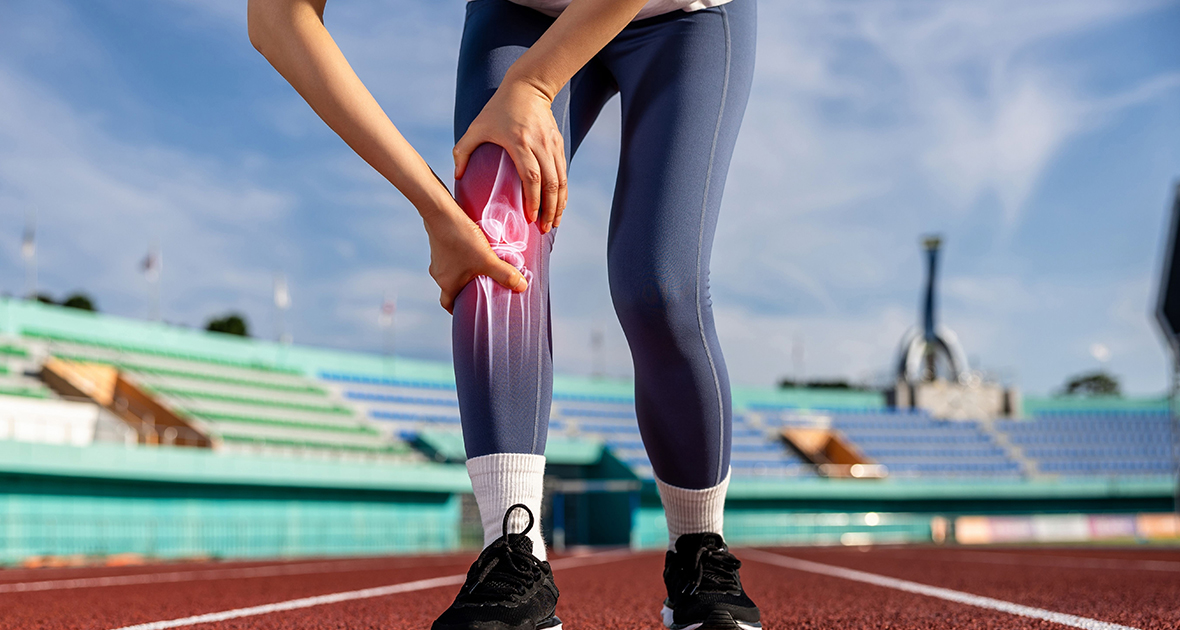
Sports injuries are an unfortunate reality for athletes of all levels, from weekend warriors to professional competitors. Whether you’re playing basketball, running, or engaging in any physical activity, the risk of injury is always present. Understanding the common causes, preventive measures, and treatment options for sports injuries can help you stay safe and recover effectively.
Common Causes of Sports Injuries
Sports injuries can result from a variety of factors, often due to a combination of overuse, improper technique, and lack of adequate warm-up or conditioning. Here are some of the most common causes:
- Overuse: Repeating the same motion over long periods can lead to stress fractures, tendinitis, and other overuse injuries. For example, runners may develop shin splints or knee pain due to the repetitive impact on their legs.
- Improper Technique: Using the wrong form or technique while exercising or playing sports can put unnecessary strain on muscles, joints, and ligaments, leading to injuries such as sprains, strains, or even more severe damage like torn ligaments.
- Inadequate Warm-up: Skipping warm-ups or not stretching properly before engaging in physical activity can leave muscles stiff and more prone to injury. A proper warm-up increases blood flow to muscles, preparing them for the physical exertion ahead.
- Sudden Impact or Trauma: Contact sports like football or rugby carry a higher risk of injuries due to sudden impacts or collisions, which can cause fractures, concussions, or dislocations.
- Fatigue: When muscles are tired, they are less capable of supporting the joints, increasing the likelihood of injuries. Fatigue can also impair judgment, leading to mistakes that can result in injury.
Prevention Strategies
Preventing sports injuries is crucial for maintaining long-term athletic performance and overall health. Here are some key prevention strategies:
- Proper Warm-up and Cool-down: Always warm up before engaging in any physical activity. Dynamic stretches, light jogging, or sport-specific drills can help prepare your body for exercise. Similarly, cooling down with stretching exercises can prevent stiffness and promote muscle recovery.
- Use Correct Technique: Learning and consistently using the correct technique in your chosen sport can significantly reduce the risk of injury. Consider working with a coach or trainer to refine your form.
- Strength and Conditioning: Regular strength training and conditioning exercises can help build muscle endurance, support joints, and reduce the likelihood of injuries. Focus on a balanced workout routine that includes all major muscle groups.
- Wear Appropriate Gear: Protective equipment such as helmets, pads, and supportive footwear is essential for preventing injuries. Make sure your gear fits properly and is suited to your specific sport.
- Listen to Your Body: Pay attention to any signs of discomfort or pain. Pushing through pain can lead to more severe injuries. Rest when needed, and don’t ignore the early warning signs of overuse injuries.
Treatment and Recovery
Despite the best prevention efforts, sports injuries can still occur. The key to a successful recovery is prompt and appropriate treatment. Here’s how to manage sports injuries effectively:
- Immediate Care: For acute injuries, follow the R.I.C.E. protocol—Rest, Ice, Compression, and Elevation—to reduce swelling and pain. Avoid putting weight on the injured area and seek medical attention if necessary.
- Medical Evaluation: Consult a healthcare professional for a thorough evaluation, especially for severe injuries. They may recommend imaging tests like X-rays or MRIs to assess the extent of the injury.
- Rehabilitation: Physical therapy is often a crucial component of recovery. A physical therapist can create a tailored rehabilitation program to restore strength, flexibility, and function to the injured area.
- Gradual Return to Activity: Returning to sports too soon can lead to re-injury. Follow your healthcare provider’s advice on when and how to safely resume physical activities. Gradually increase the intensity and duration of exercise to ensure a full recovery.
- Surgical Intervention: In some cases, surgery may be required to repair torn ligaments, fractures, or other severe injuries. Post-surgery rehabilitation will be essential to regain full function and strength.
While common, sports injuries can often be prevented and effectively managed with the right knowledge and care. By understanding the causes, taking proactive steps to prevent injuries, and following proper treatment protocols, you can minimize your risk and ensure a safe and swift recovery if an injury does occur.
Contact Us Today
In conclusion, AN Orthocare stands as the ultimate solution for sports injuries. We prioritize personalized treatment plans tailored to your unique needs, leveraging advanced techniques and cutting-edge technology. Our dedicated team is committed to helping you return to your active lifestyle quickly and safely, ensuring you move forward pain-free and with renewed confidence in your mobility.
Stay informed and cautious to enjoy sports and physical activities while protecting your body.